What a Warm-Up Changes Before You Begin
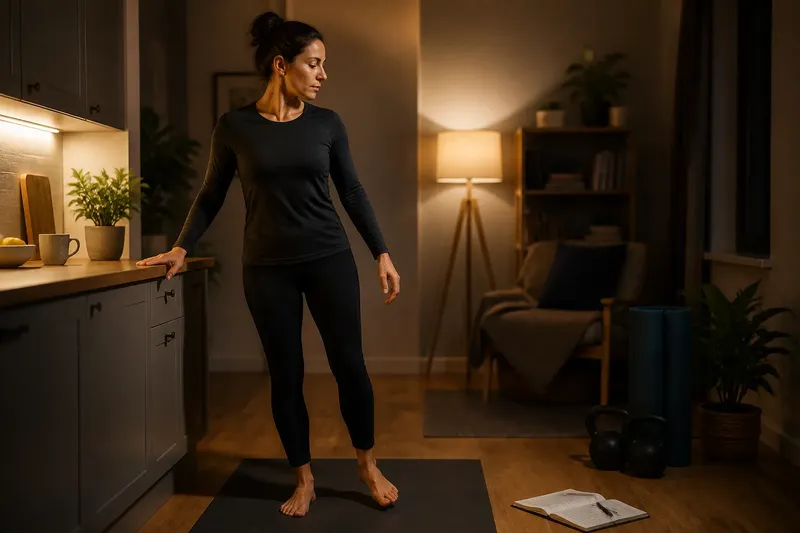
A warm-up helps your body shift from stillness into activity. Use a gradual, movement-specific routine to begin comfortably and prepare for the session ahead.
The common warm-up mistake is treating it as a miniature workout: rushing through hard effort before the session has even started. That can leave you tired or uncomfortable, while doing nothing leaves a sharper jump between sitting still and moving quickly. A useful warm-up for movement makes that transition gradual and gives your body a preview of what comes next.
Think of it as a short bridge, not a performance test. You begin with easy movement, build toward the pace and range your activity calls for, then start the main session. The exact motions depend on whether you are about to walk, lift, dance, or play a court sport.
What does a warm-up change?
After a period of sitting or quiet activity, the first few minutes of exercise can feel stiff or awkward. Moving gently gives you time to find a comfortable rhythm, coordinate your limbs, and notice how your body responds before you ask for more effort. It also gives your attention a chance to move from the rest of the day to the task in front of you.
A warm-up does not need to make you sweat or leave you out of breath. Its job is to prepare, not to tire you out. You should finish feeling ready to begin the session, rather than as if you have already completed a demanding part of it.
How do you shape the transition?
Use a simple sequence: start easy, add relevant movement, then approach the session’s opening pace. The whole routine can be brief or longer depending on how still you have been, how vigorous the planned activity is, and how you feel. Let your breathing and comfort guide the change in effort instead of following a rigid timer.
- Begin with easy whole-body movement. Walk around the room, march gently in place, or pedal a stationary bike at a relaxed pace. Choose something that feels natural and lets you move without straining.
- Bring in the joints and patterns you will use. For a walk, try relaxed steps with a comfortable arm swing. For a dance class, use easy side steps and turns within a range that feels controlled.
- Build toward the opening demand. If your session starts at a brisk pace, make the final warm-up movements a little more purposeful. If it begins gently, there is no need to add intensity just to make the warm-up feel substantial.
- Check your readiness. Notice whether movement feels coordinated and comfortable. If you feel unusually uncomfortable, dizzy, or unwell, stop rather than trying to push through; seek qualified medical advice when appropriate.
Keep each movement within a range you can control. A warm-up is not the time to force a deep stretch or prove how far you can reach. Easy mobility can help you explore a movement, but sharp pain is a reason to stop and reconsider the plan.
What should you do at different points in the day?
A warm-up can fit the shape of your day instead of demanding a separate, elaborate ritual. Use this flexible morning-to-evening plan as a guide; adjust it to the activity you actually intend to do.
After waking or a long stretch of sitting
Start with a few minutes of ordinary movement before making the session demanding. Walk through your home, take a gentle lap outside, or use relaxed marching. Then add motions connected to the planned activity. If you are heading out for a walk, let the first part of the route stay easy before settling into your usual pace.
Just before a moderate session
Choose movements that resemble the activity without copying its hardest effort. Before a stationary-bike ride, pedal easily and then gradually increase the smoothness or effort. Before a strength session, use unloaded versions of the movement patterns you plan to train, such as comfortable bodyweight squats before loaded squats. Keep the early repetitions easy enough to focus on balance and control.
Before a vigorous or fast-moving session
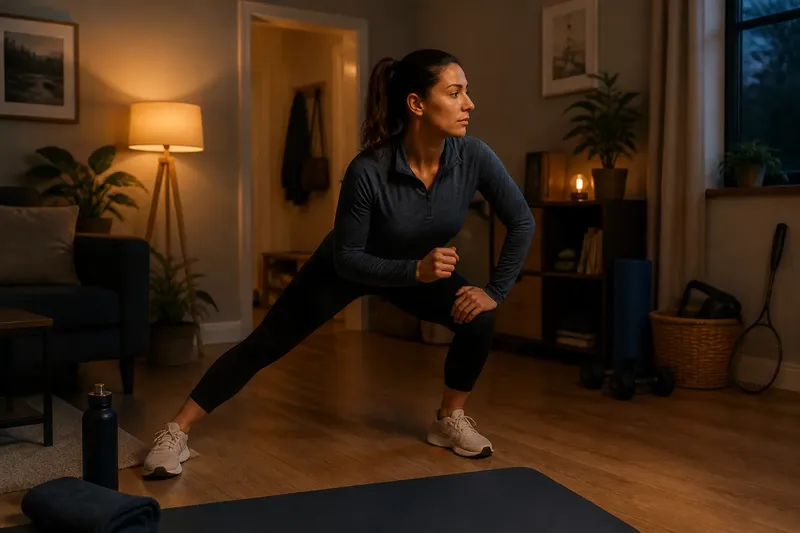
Give the transition more room. Begin with easy movement, then add controlled actions that match the session: light footwork before court play or relaxed practice swings before a racket sport. Approach faster or more forceful movement only if the earlier motions feel comfortable and coordinated. The warm-up should prepare you for the session, not become a contest of speed.
When the session begins gently
You may not need much beyond easing into the opening minutes. A relaxed walk or low-intensity movement can serve as the transition if the activity itself starts slowly. Avoid adding a strenuous routine just because a warm-up is expected; match the preparation to the work ahead.
How should the motions match your activity?
Use the planned activity as your guide. Relevant movements help you rehearse the direction, coordination, and range you will soon use, but they do not have to duplicate the entire session. Start with a simpler version, then make it closer to the planned effort only when it feels manageable.
- Walking or easy jogging: begin with comfortable walking, then use a slightly quicker pace or gentle changes in direction if they suit your route.
- Strength training: rehearse the session’s movement patterns without added resistance, or with a very light load when that is familiar and appropriate. Save challenging sets for the main workout.
- Dance or group movement: practice the basic steps and directions at an easy pace. Keep turns small until your balance and coordination feel settled.
- Racquet or court activity: start with relaxed steps and controlled swings. Add quicker footwork only as the session approaches its intended pace.
Say you have spent the afternoon at a desk and plan to play recreational badminton. You might begin with an easy walk, add relaxed side steps and a few controlled racket swings, then move into gentle court movement. The observable aim is simple: the first rally does not have to be the moment you discover that your feet and arms are still adjusting.
What warm-up questions come up most often?
How long should a warm-up take?
There is no single duration that suits every session. Allow enough time to move from easy activity toward the effort and patterns ahead, and take longer if you feel stiff or the planned session starts vigorously.
Do you need to stretch before every workout?
No. Gentle movement related to the session can be enough to prepare you. If you choose a stretch, keep it comfortable and avoid forcing a position; a warm-up need not be a series of deep stretches.
Should a warm-up make you tired?
No. You may feel warmer or more alert, but your energy should remain available for the main activity. If the preparation feels like a hard workout, ease the pace or simplify the movements.
What if you feel pain or unusual symptoms?
Stop the movement that brings them on rather than trying to warm through them. For persistent pain, dizziness, or other concerning symptoms, get advice from a qualified health professional before resuming activity.
How can you tell when to begin?
Look for a practical change, not a perfect feeling. Your movements should feel more familiar, your pace should be under control, and you should be able to begin the planned activity without immediately jumping from stillness to its hardest demand. If those conditions are not there, stay with an easier version for a little longer or scale back the opening effort.
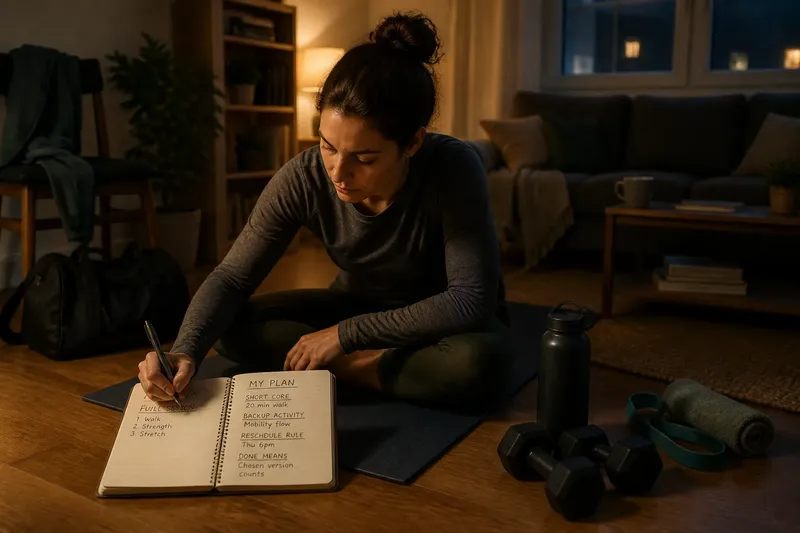
For your next session, choose one easy opening movement and two motions that resemble the activity ahead. Let the first minutes of the session complete the transition rather than asking the warm-up to do everything. A well-matched warm-up for movement is modest by design: it helps you arrive at the work ready to participate, with enough energy left to do it.